Senior Mom 2026 SVG Design Review
A Designer’s First Look: Warm, Nostalgic, and Purpose-Built
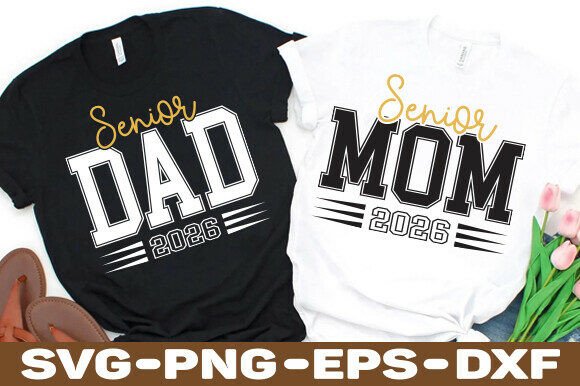
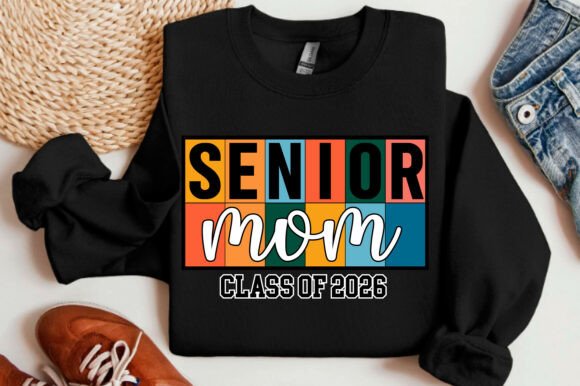
When I opened the Senior Mom 2026 SVG, Class of 2026 SVG file for the first time, what stood out wasn’t just the year—but the quiet confidence in its simplicity. It’s not flashy or overly ornate; instead, it carries a soft, heartfelt tone that feels instantly recognizable to anyone who’s cheered from the bleachers, packed lunchboxes, or stitched names onto backpacks for years. The layout balances clean typography with gentle visual rhythm—no excessive flourishes, no cramped spacing, no fragile serifs that’ll vanish under thread. That matters. Because this isn’t just a graphic—it’s a machine embroidery design waiting to translate into something tactile, wearable, and emotionally resonant.
Real Project Test: Embroidering a “Proud Senior Mom” Tote Bag
Last week, I used the Senior Mom 2026 SVG, Class of 2026 SVG to embroider a natural canvas tote for a client’s daughter’s graduation gift. We chose a medium-weight cotton canvas, medium tear-away stabilizer, and matte polyester thread in navy and cream. The result? Crisp edges, even satin stitch coverage on curved letterforms, and zero puckering—even across the full width of the bag’s front panel. That tells me the vector construction is solid: clean paths, consistent stroke weights, and no hidden anchor points or overlapping nodes that cause erratic stitching. It behaved exactly as a well-structured embroidery file should—predictably, cleanly, and without requiring hours of digitizing cleanup.
Where This Design Shines (and Where It Needs Care)
The Senior Mom 2026 SVG, Class of 2026 SVG works beautifully on stable, medium-to-heavy fabrics: sweatshirt fleece, denim jackets, linen aprons, and structured pillow covers. Its moderate height-to-width ratio means it scales well—from a 3.5" chest placement on a youth tee to a bold 5" back design on an adult unisex sweatshirt. As a tote bag design or embroidered patch, it reads clearly at arm’s length. On baby embroidery? Use caution. While sweet in concept, the lettering isn’t oversized or simplified enough for tiny onesies—stick to toddler-sized garments or nursery wall hangings instead.
Here’s where attention matters: stretchy knits (like lightweight t-shirts), dark fabric with light thread, or highly textured surfaces (terry cloth towels, bouclé blankets) will test contrast and legibility. The design doesn’t include built-in underlay or pull compensation—so you’ll need to adjust your embroidery software settings for fabric type. Also, avoid placing it near seams, curved cap crowns, or layered pockets unless you’ve tested hoop clearance and fabric tension first. Tiny corners in the letterforms hold up well—but only if your stabilizer matches your fabric’s give.
Design Integrity Meets Customer Trust
As an Etsy seller and small shop product developer, I pay close attention to how a digital embroidery file shapes buyer perception. The Senior Mom 2026 SVG, Class of 2026 SVG lands with sincerity—not gimmickry. That builds trust. When customers see a finished product with clean, balanced stitching, they don’t just see a graduation gift—they see care, intention, and craftsmanship. That elevates perceived value. It also fits seamlessly into boutique branding: pair it with minimalist tea towels, monogrammed kitchen linens, or custom graduation caps, and it reinforces a cohesive, warm, human-centered aesthetic.
It’s equally effective for commercial embroidery shops. Because the file includes SVG, EPS, DXF, and PNG 300dpi formats, it bridges cutting machines and embroidery workflows—ideal for hybrid projects like heat-transfer + embroidery combos or applique designs where the outline is cut first, then stitched over. Just remember: the PNG is for mockups only. For actual machine embroidery, always start from the vector files—and confirm your digitizing software interprets the paths correctly before stitching.
Practical Notes Every Embroidery Designer Should Keep Handy
- Test first—Always run a sample on scrap fabric matching your final project’s weight and stretch.
- Check thread color contrast—Especially on dark or heathered fabric. What reads clearly in PNG may blur when stitched with low-contrast thread.
- Review stitch density—This design avoids extreme fill areas, but verify density in your embroidery software before scaling beyond 120%.
- Confirm hoop size—The original layout fits comfortably in a 4"x4" hoop, but double-check if you plan to resize for larger placements.
- Inspect small details—Look closely at terminal points on letters like “S” and “R.” They’re clean, but fine-tune jump stitches if needed.
- Mock it in black and white—A grayscale preview reveals contrast issues faster than color.
- Use proper stabilizer—Medium cut-away works best for knits; tear-away suffices for stable wovens.
- Licensing check—Since this is marketed as a T-Shirt Designs asset and Graphics file, confirm whether personal or commercial use is permitted before selling finished embroidered products or reselling the digital embroidery file.
Final Thought: A Thoughtful Asset for Meaningful Moments
The Senior Mom 2026 SVG, Class of 2026 SVG isn’t just another year-based graphic. It’s a quietly confident design asset—one that supports real-life embroidery projects without demanding constant intervention. It respects the craft: no unnecessary complexity, no fragile details, no format surprises. Whether you're stitching a personalized gift, building inventory for your craft business, or preparing holiday embroidery for a local boutique, this design delivers clarity, warmth, and wearability. And in handmade product work, that balance—between emotional resonance and technical reliability—is rare, valuable, and worth every stitch.