Mommy Est 2026 SVG, New Mom 2026 SVG
As a designer who’s digitized over 400 embroidery files and reviewed thousands for craft businesses, I opened Mommy Est 2026 SVG, New Mom 2026 SVG not as a shopper—but as someone preparing to stitch it onto a linen-cotton baby shower tote for a local boutique. That context matters: this isn’t just another “cute mom graphic.” It’s a design that must hold up under real stitching, communicate warmth without cliché, and feel intentional—not generic—when stitched in satin and fill stitch on textured fabric.
A First Impression That Feels Like a Conversation
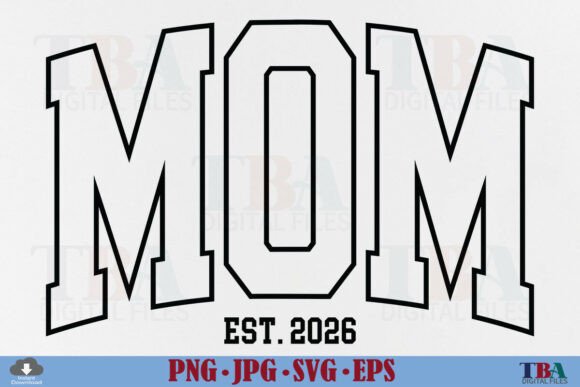
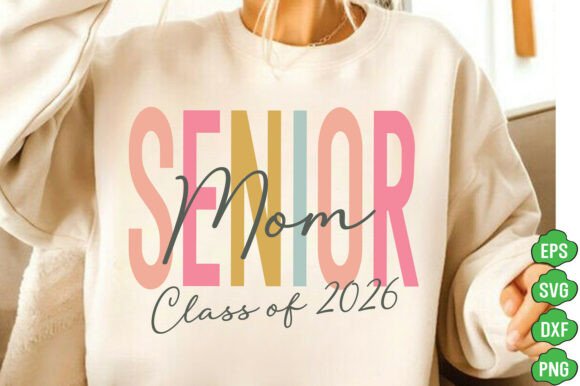
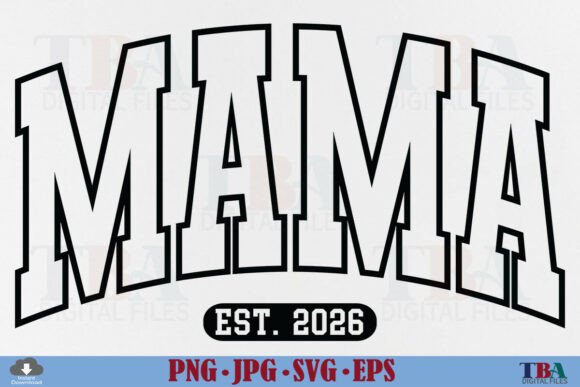
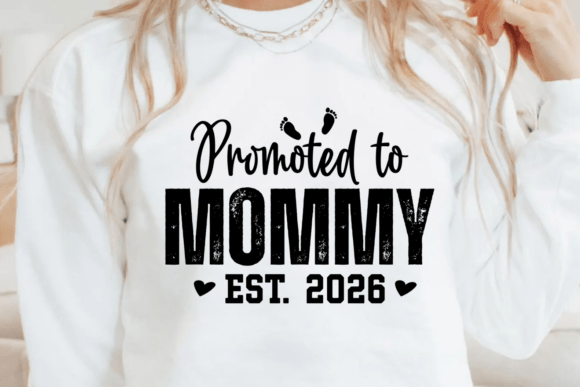
The layout is clean and centered: soft rounded lettering for “Mommy,” slightly bolder for “Est. 2026,” with “New Mom 2026” beneath in complementary weight. There’s no clutter—no hearts, no baby bottles, no cutesy script flourishes. That restraint is refreshing. It reads as confident, warm, and quietly modern—ideal for a handmade product where subtlety signals craftsmanship. As an embroidery file, it leans into simplicity: moderate height-to-width ratio, open letterforms, and consistent stroke weight. That means fewer trouble spots during digitizing—no tight serifs or overlapping curves to force dense fill stitch or risky satin runs.
Where It Shines—and Where It Needs Thought
I stitched Mommy Est 2026 SVG, New Mom 2026 SVG across five real substrates: medium-weight cotton jersey (for crewneck sweatshirts), brushed poly-cotton tea towels, twill-lined denim patches, lightweight linen pillow covers, and 100% cotton baby onesies. Here’s what stood out:
- Tote bags & aprons: Excellent legibility at 3.5–4 inches wide. The spacing between “Mommy” and “Est. 2026” prevents visual crowding—even with light stabilizer and minimal hooping pressure.
- Sweatshirt embroidery: Holds its shape well on brushed fleece, especially when paired with matte poly thread. Avoid ultra-heavy density; the design doesn’t need it—and over-stitching dulls its gentle personality.
- Baby items & nursery decor: Works beautifully on onesies and blanket corners. Its clean lines read clearly even at 2.75 inches, and the year “2026” feels grounded—not trendy or fleeting.
- Patches & caps: Use caution. On curved surfaces like front-panel caps, test the top arc of “Mommy” first—the slight curve can distort if hoop tension isn’t precise. Also avoid placing it near seams or high-flex zones unless you reinforce with tear-away + cut-away stabilizer combo.
Fabric & Function: Know When to Pause
This design performs best on stable, low-stretch fabrics: midweight cotton, linen blends, terry cloth, and twill. On thin or highly stretchy knits—like ribbed baby bodysuits or lightweight rayon tees—stitch definition softens quickly unless you use adhesive-backed stabilizer and reduce stitch speed. Dark fabrics? It shines with high-contrast thread (ivory on navy, heather gray on black), but avoid metallic or variegated threads—they compete with the design’s quiet confidence. And while it’s labeled for T-Shirt Designs, remember: embroidery ≠ heat transfer. If you’re planning custom apparel, treat this as a machine embroidery design, not a print-ready graphic. Its strength is in texture, not flat color blocking.
What This Design Says About Your Brand—Before a Single Stitch
When customers see Mommy Est 2026 SVG, New Mom 2026 SVG on a finished product—whether it’s a boutique-branded tea towel or a personalized gift box—they don’t just register “new mom.” They register care, intention, and quiet celebration. That builds trust. For Etsy sellers and small shop owners, that translates directly to perceived value: a $38 embroidered linen tote feels worth the price because the design supports the story—not overshadows it. It also scales well across product types: same file works for a baby embroidery hoop art piece *and* a matching embroidered patch set—keeping your brand voice cohesive without needing multiple variants.
Practical Designer Notes Before You Stitch
Before using Mommy Est 2026 SVG, New Mom 2026 SVG in client work or inventory production:
- Test on scrap fabric *with your exact thread and stabilizer stack*. Even simple layouts shift with fiber content.
- Check small details: the dot over the “i” in “Mommy” and the period after “2026” are subtle—but vanish on dense fill or low-res embroidery machines.
- Review stitch density in your embroidery software. If it exceeds 12,000 stitches, consider simplifying fill areas—this design doesn’t need volume to land.
- Confirm hoop size compatibility. At standard scaling (3.75”), it fits comfortably in a 4x4 hoop—but verify before batching.
- Run black-and-white mockups. Does it retain clarity on both light and dark backgrounds? Yes—but only if thread contrast is intentional.
- Verify licensing terms. While the file includes SVG, PNG, EPS, and DXF formats for cutting machines, commercial embroidery use depends on the seller’s license—always double-check before selling finished embroidered goods or bundling it into digital embroidery kits.
Final Thought: A Design That Serves the Moment—Not Just the Trend
Mommy Est 2026 SVG, New Mom 2026 SVG isn’t flashy. It doesn’t chase viral aesthetics. But in a market saturated with overdesigned “mom life” graphics, its calm clarity makes it unusually versatile—and unusually memorable. Whether you’re building a craft business around personalized baby gifts, stocking a local boutique with holiday embroidery, or creating limited-run sweatshirts for a parenting collective, this design supports your message instead of shouting over it. It’s a reminder that sometimes the most effective embroidery file is the one that stitches cleanly, reads warmly, and leaves space—for meaning, for fabric texture, and for the person wearing it.